• UK Airspace Redesign
    Get Inspired

    UK Airspace Redesign

    The UK government has initiated the most comprehensive airspace redesign in over 70 years. The role of UKADS.
UK Airspace Redesign

UK Airspace Redesign: Paving the Way for Modern Aviation

In a significant move, the UK government has initiated the most comprehensive airspace redesign in over 70 years. This ambitious project, spearheaded by the newly established UK Airspace Design Service (UKADS) and managed by NATS (En Route) plc, aims to revolutionise the nation’s aviation infrastructure to meet contemporary demands and future challenges.

The Need For Modernisation

The UK’s airspace was originally designed in the 1950s to accommodate approximately 200,000 flights annually. Fast forward to 2024, and the number has surged to 2.7 million flights per year, highlighting the pressing need for an updated and efficient air traffic management system.

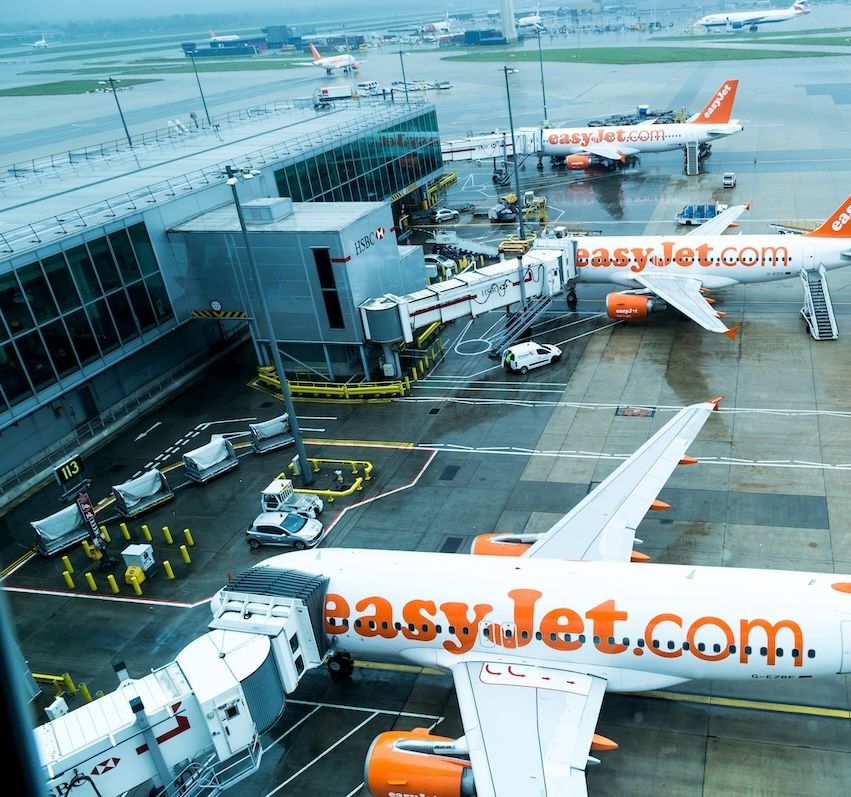
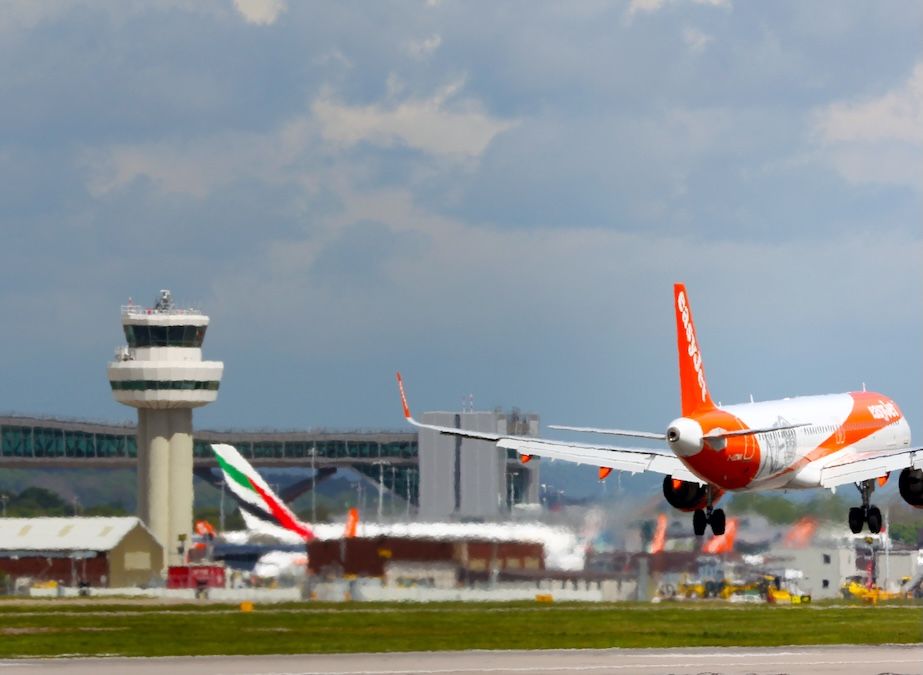
Outdated flight paths contribute to increased delays, higher fuel consumption, and elevated emissions. For instance, aircraft approaching London airports often undertake circuitous routes, leading to unnecessary holding patterns and extended flight times.
Objectives of the Airspace Redesign image

Objectives of the Airspace Redesign

The primary goals of the airspace modernisation include:

  • Enhanced Efficiency: Implementing more direct flight paths to reduce travel time and operational costs.

  • Environmental Benefits: Minimising fuel consumption and emissions by reducing holding patterns and enabling smoother ascents and descents.

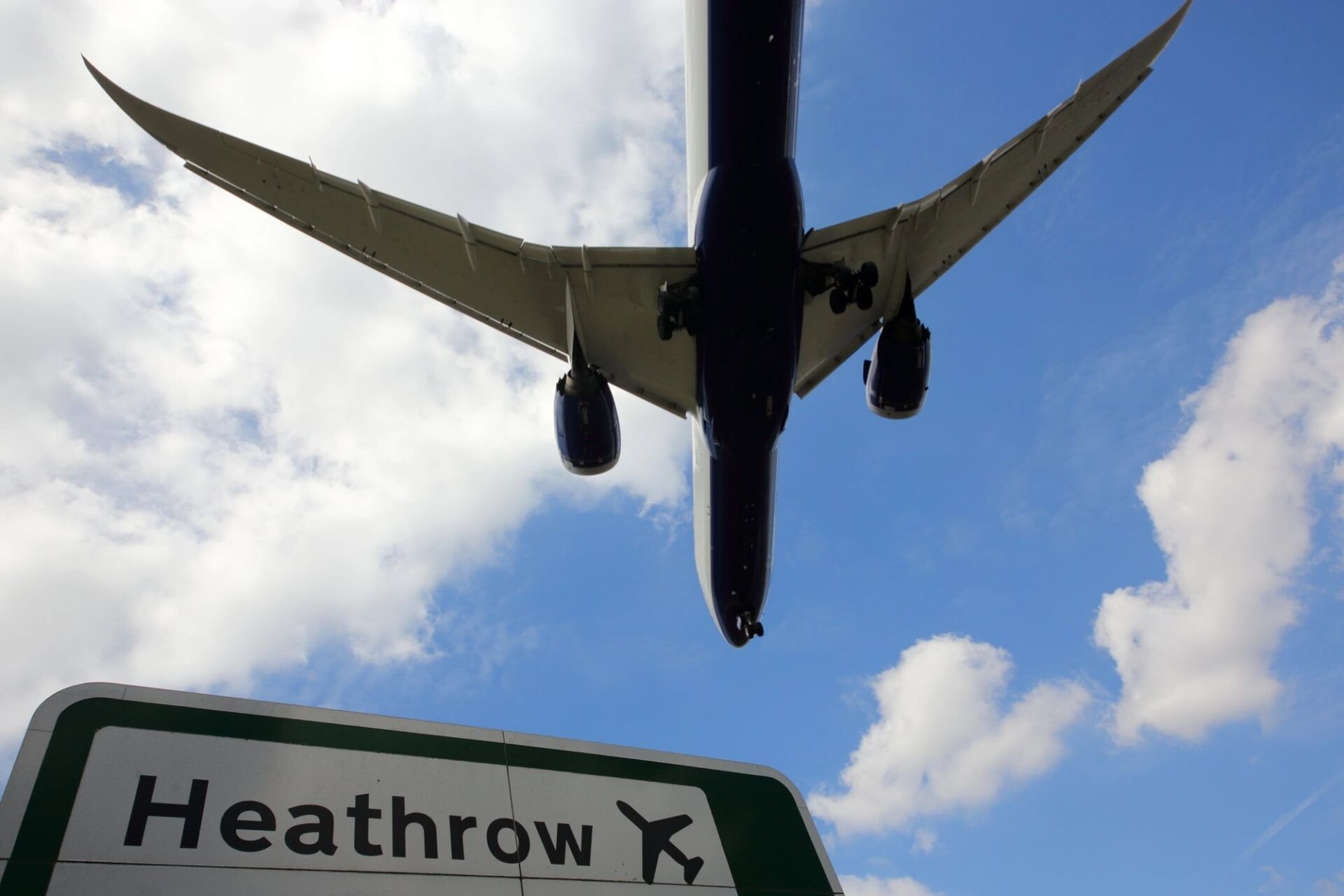
  • Capacity Expansion: Supporting airport growth initiatives, such as Heathrow’s proposed third runway, to accommodate increasing passenger numbers.

  • Integration of Emerging Technologies: Preparing the airspace to safely incorporate drones and electric vertical take-off and landing (eVTOL) aircraft, facilitating the future of urban air mobility.

Implementation Strategy UKADS

Implementation Strategy UKADS

The UKADS will commence its operations by focusing on the complex and congested airspace over London. This initial phase is crucial, given the region’s high traffic density and the anticipated expansion of major airports. The service is expected to be fully operational by the end of 2025.

To fund this initiative, a new Airspace Design Charge will be introduced, primarily targeting commercial airlines. Additionally, an Airspace Design Support Fund will be established to assist airport sponsors in other parts of the UK with their modernisation efforts.


Stakeholder Perspectives

Stakeholder Perspectives

Government and Regulators

  • DfT and CAA strongly support the airspace redesign, citing efficiency, emissions reduction, and support for new aviation technologies.
  • Aviation Minister Mike Kane described it as a driver to “turbocharge growth,” enabling airport expansion and job creation.
  • Seen as a foundational step within the government’s broader Plan For Change

Airlines and Airports

  • Widely welcomed as a “long overdue” reform by industry bodies like Airlines UK and Airports UK.
  • Expected benefits include: improved punctuality, greater resilience in flight operations and lower emissions from more direct routing.

Local Communities and Environmental Groups

  • Environmental groups see potential for meaningful emissions reductions.
  • Some communities are concerned about increased noise in newly affected areas.
  • The CAA has committed to ongoing engagement and impact assessments to address these concerns.
UK Airspace Redesign

The Likely Outcome

The UK’s airspace redesign represents a significant step towards a more efficient, sustainable, and technologically advanced aviation sector. By addressing current inefficiencies and preparing for future innovations, this initiative is poised to enhance the overall air travel experience for passengers and contribute positively to the environment.