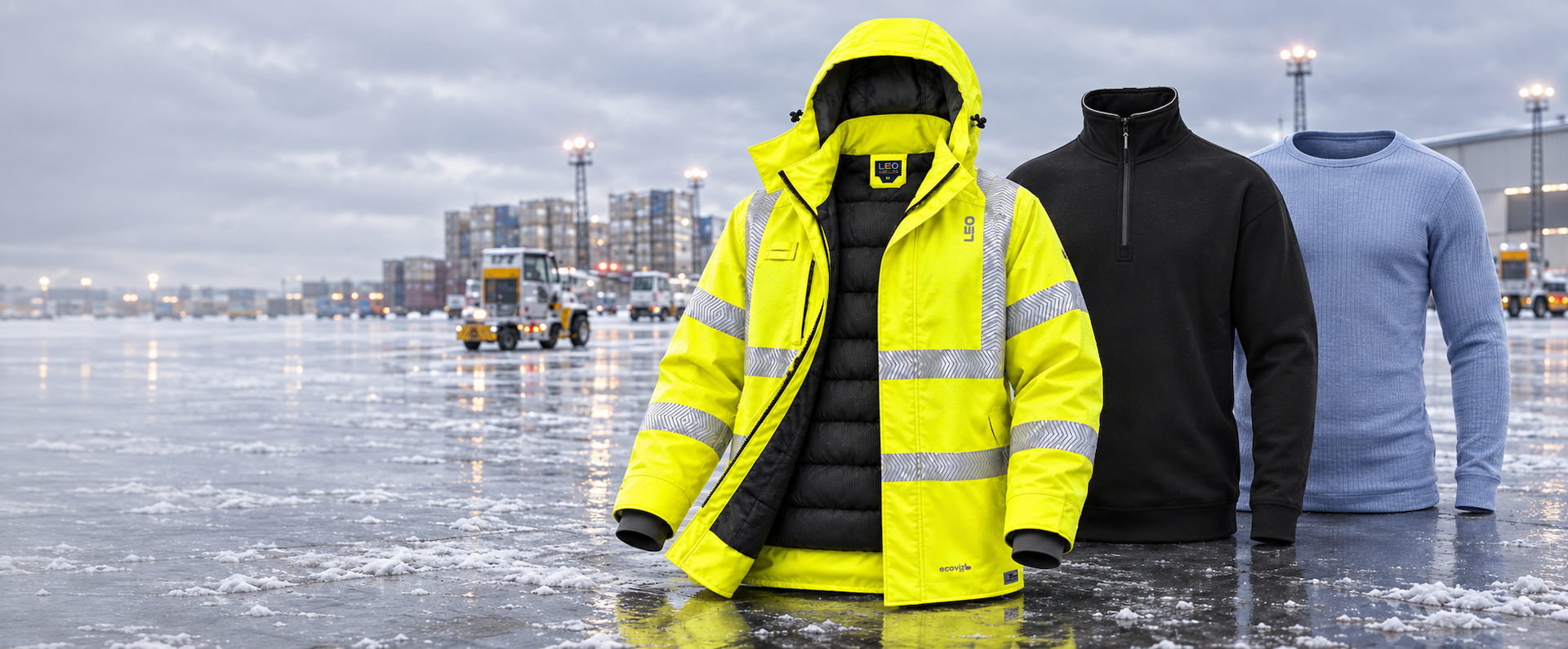
• Preparing outdoor teams for winter
    Get Inspired

    Preparing outdoor teams for winter

    Our guide to ensuring logistic teams and ground handling teams stay safe and warm.
Preparing outdoor teams for winter

Cold, dark and wet

Winter workwear needs to cope with more than a falling temperature. For aviation and logistics teams, changing activity levels, persistent rain and reduced daylight make the way clothing works together especially important. Preparation starts with understanding the whole shift, from active loading to standing on an exposed apron.

.
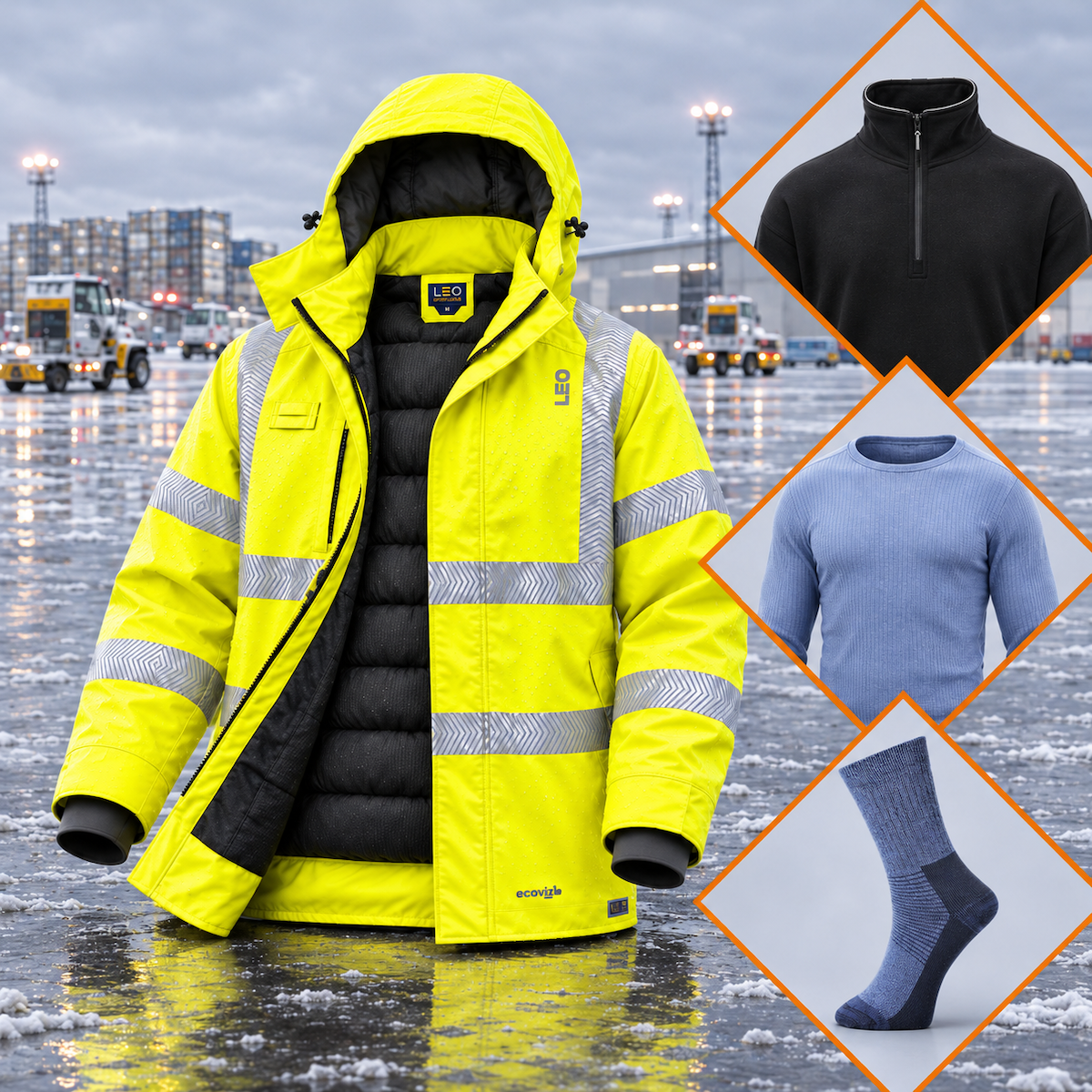
Consider the layers image

Consider the layers

A baggage handler unloading an aircraft has different clothing needs from a colleague standing outside directing vehicles. A delivery driver may move repeatedly between a heated cab and a wet loading area. Even within one role, the demands change throughout the day.

HSE identifies air movement, humidity, clothing and work rate among the factors affecting thermal comfort. Temperature alone tells only part of the story.

A practical layering system gives each garment a purpose: a base layer helps manage perspiration, a mid layer provides insulation, and an outer layer protects against wind and rain. Together, they give wearers scope to adjust as conditions and activity change.

Try the complete combination during everyday tasks. Can the wearer bend, reach and crouch comfortably? Does the jacket fasten without restricting movement? Can they access their radio? Extra warmth should not make the job harder or compromise other protection.

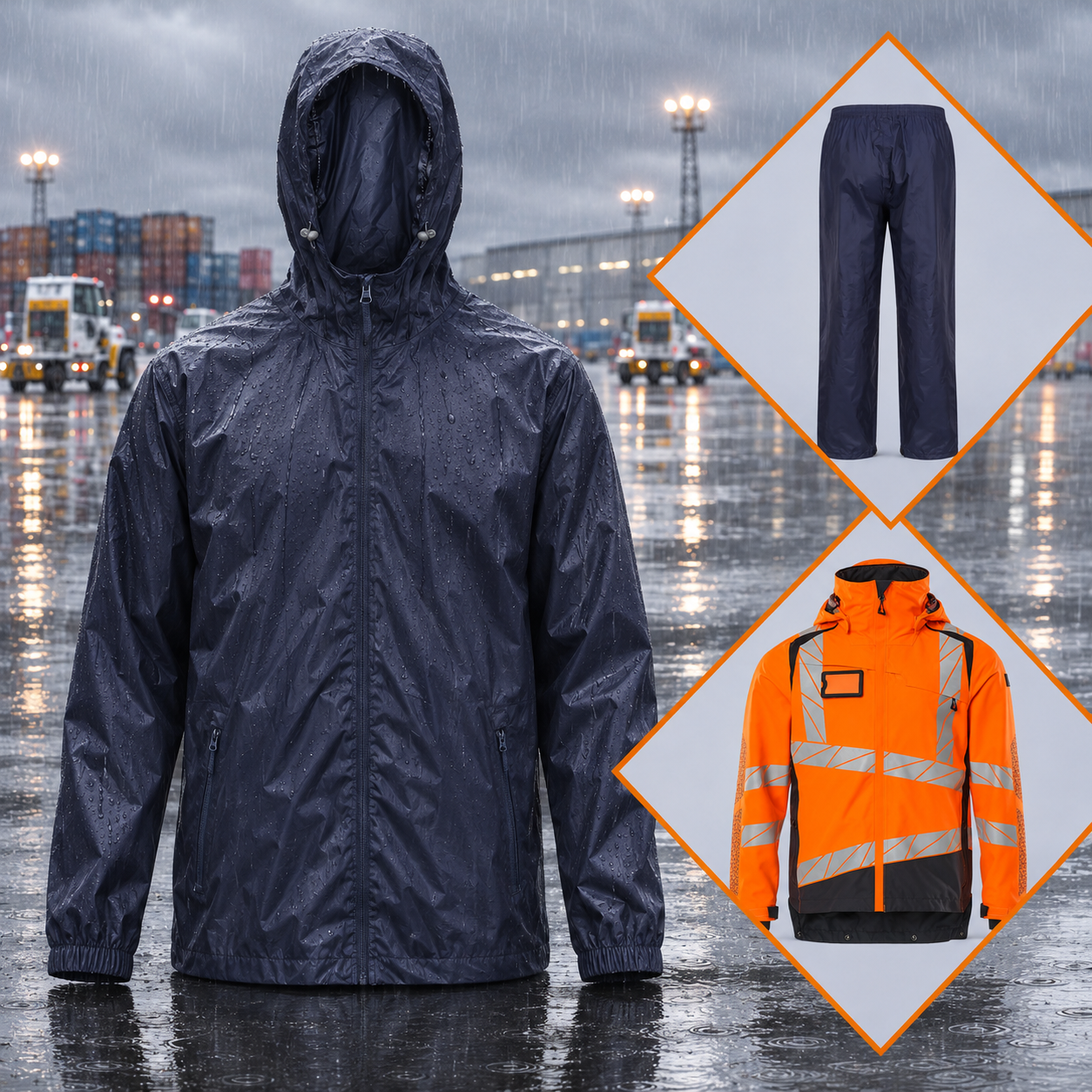
Consider the wet image

Consider the wet

An insulated jacket is not necessarily waterproof. Equally, a water-repellent finish should not be taken as evidence that a garment will cope with prolonged rain.

Look beyond the fabric description to seams, closures, cuffs and the overlap between jacket and trousers. Consider what happens when someone bends to connect equipment or reaches into a vehicle. Waterproof over-trousers may be as relevant as the jacket.

Check the garment’s certified performance and wearer instructions. BSI currently lists BS EN ISO 24232:2025 as the rain-protection standard; suppliers should explain the certification applying to each product. Rain protection does not establish suitability for chemical exposure, which requires separate assessment for tasks such as de-icing.

Preparation also includes what happens afterwards. Appropriate drying facilities, somewhere to store clothing and access to replacement kit help ensure that a wet shift does not become a wet start the following day.

Consider the Light

Consider the Light

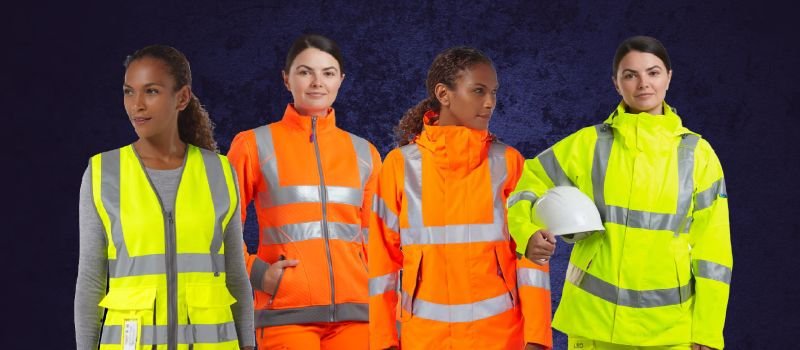
Shorter days change the working environment around aircraft, trailers and delivery vehicles. Clothing needs to remain conspicuous against the actual background, in artificial light and poor weather.

HSE advises that high-visibility clothing should reflect the task, lighting and conditions, while remaining compatible with other PPE. Winter layers therefore need to be assessed as one outfit. A waterproof jacket worn over a high-visibility waistcoat can conceal the protection the waistcoat provides.

Check the required visibility class and local airport or site rules. Inspect clothing regularly and follow cleaning instructions: dirt can reduce the effectiveness of high-visibility garments and their retroreflective strips.

The same review should consider fit and accessories. Loose garments can snag around moving equipment, while poorly adjusted hoods can obstruct vision. Winter clothing must also work alongside suitable lighting, pedestrian routes and vehicle-management procedures.

Consider the chill

Consider the chill

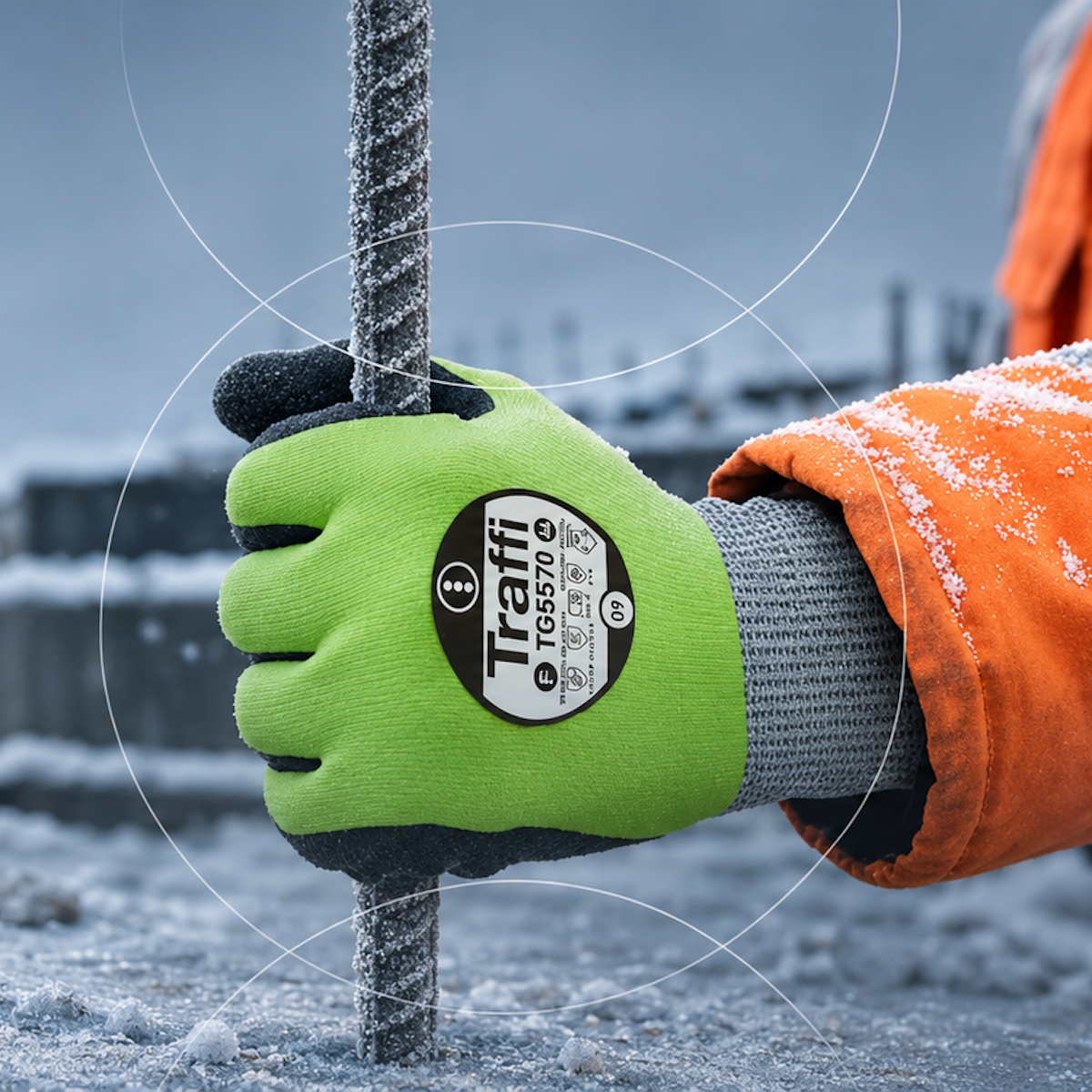
A warm torso offers little consolation if gloves make controls difficult to operate or footwear lets in water.

Choose gloves around the task, balancing cold and wet protection with grip and dexterity. Trial them with the equipment people actually use, including scanners, radios and vehicle controls. Check footwear with the socks employees will wear in winter, allowing for comfort, fit and the conditions underfoot.

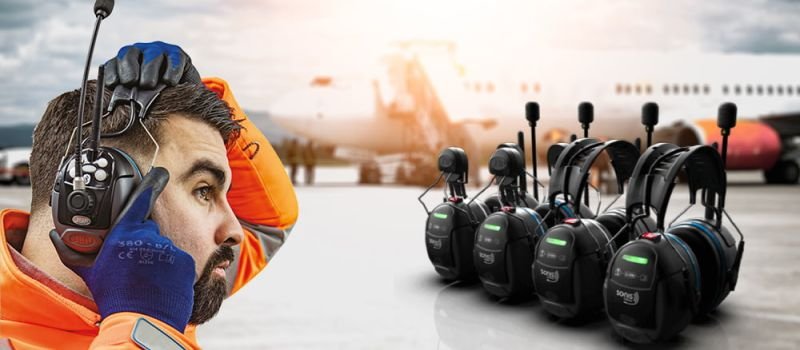
Headwear needs equal attention. Hats and hoods must not compromise helmet fit or hearing protection. HSE specifically warns that wearing earmuffs over hats or hoods can undermine their effectiveness.

Clothing is only part of managing exposure. HSE also recommends warming facilities, hot drinks and more frequent rest breaks for cold outdoor work. These arrangements need to be practical for the shift pattern and accessible to the people who need them.

Preparing outdoor teams for winter

Prepare for the whole shift

A useful winter review follows an employee through the working day: what they wear, how they move, where they warm up and whether their kit will be ready for the next shift.

HeathBrook’s Smart Guide to Cold Weather Safety Requirements provides a starting point for reviewing warmth, weather protection, visibility and fit. Talk to our team about choosing a combination that works for your people and the conditions they face.