• 4 Uniform Myths
    Get Inspired

    4 Uniform Myths

    At HeathBrook, we debunk four common uniform myths and explore their origins.
4 Uniform Myths

The true story behind the uniform myths

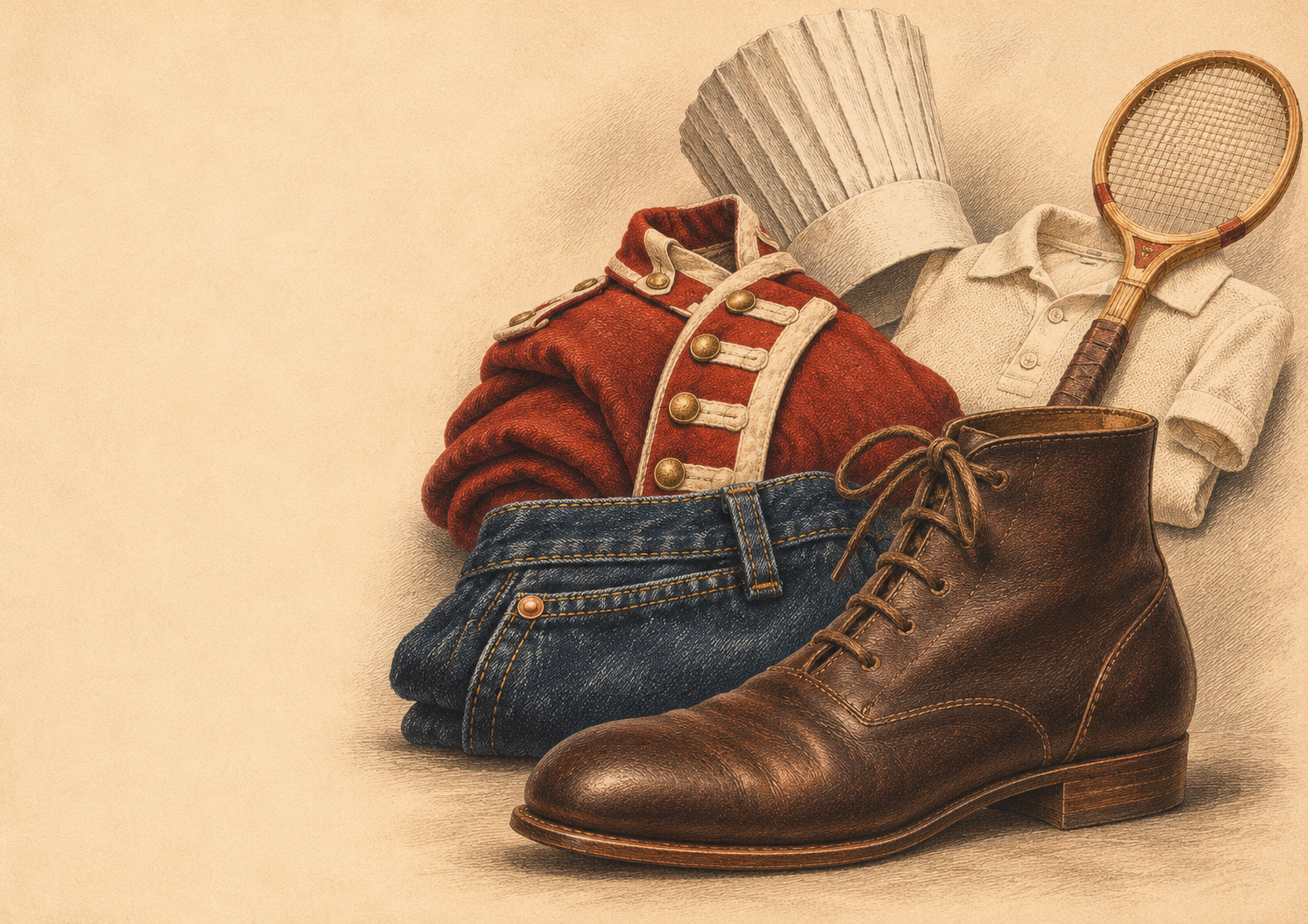
Which boot did you wear on your left foot yesterday? For a British infantryman in the 1820s, the question made perfect sense. His boots had no left or right. Soldiers were expected to swap them over so the leather wore evenly. They even made their own lace holes for a more comfortable fit.

That unlikely tale comes courtesy of the National Army Museum. Four other stories about what people wear to work deserve a closer look.
1. British soldiers wore red to hide their wounds image

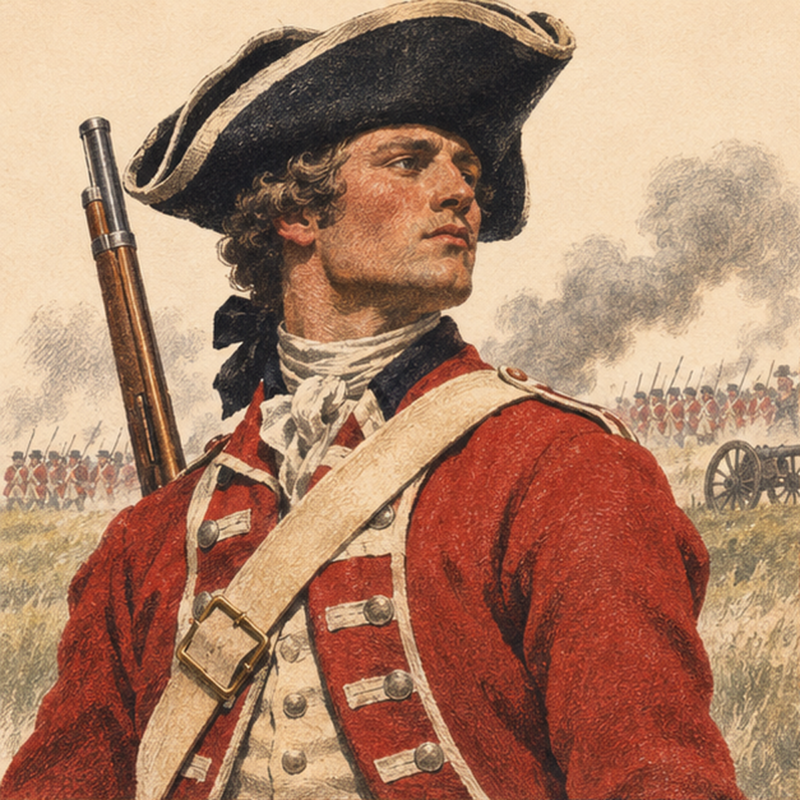
1. British soldiers wore red to hide their wounds

There is a snag with this theory. Blood leaves a dark stain on red cloth. The New Model Army adopted the red coat in 1645, and the relatively low price of red dye helped keep it in use. The colour had another advantage that seems odd in the age of camouflage. On a battlefield thick with smoke, it helped infantrymen see their own side.

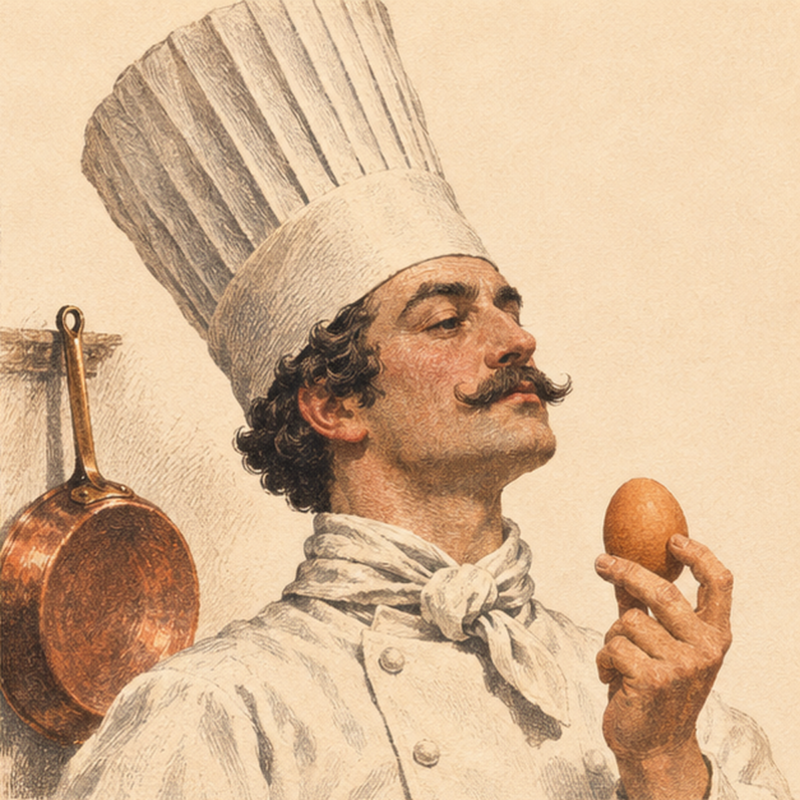
2. Each pleat in a chef’s hat stands for a way to cook an egg image

2. Each pleat in a chef’s hat stands for a way to cook an egg

Poached, scrambled, shirred. According to kitchen lore, you could count the hundred pleats in a chef’s tall white hat and find an egg dish for every one. The Culinary Institute of America describes this as a legend. The hat itself, known as a toque, became popular in the 19th century. Anyone hoping to judge the quality of an omelette would still be better off ordering one.

3. Levi Strauss made the first blue jeans out of tent canvas

3. Levi Strauss made the first blue jeans out of tent canvas

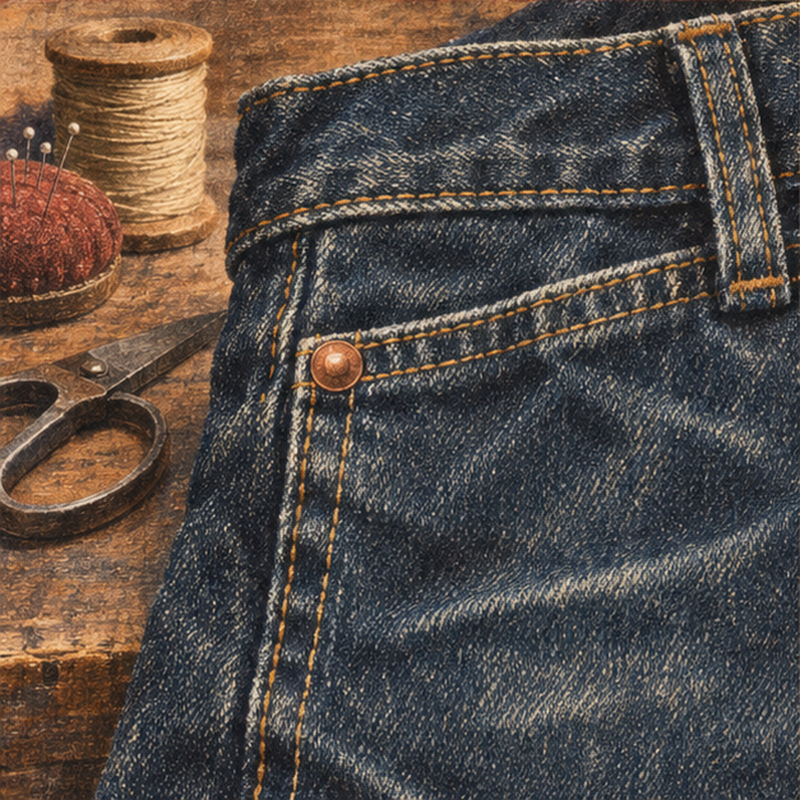
The Gold Rush story has Levi Strauss arriving in California with canvas to sell and discovering that miners needed trousers more than tents. Even Time magazine fell for it. Strauss was a dry-goods merchant. The tailor was Jacob Davis, who had found a way to stop work trousers tearing at points of strain by reinforcing them with metal rivets. Davis and Strauss secured a US patent in 1873. Look at the corner of a jeans pocket today and you can still see what the fuss was about.

4. The modern polo shirt was designed for polo players

4. The modern polo shirt was designed for polo players

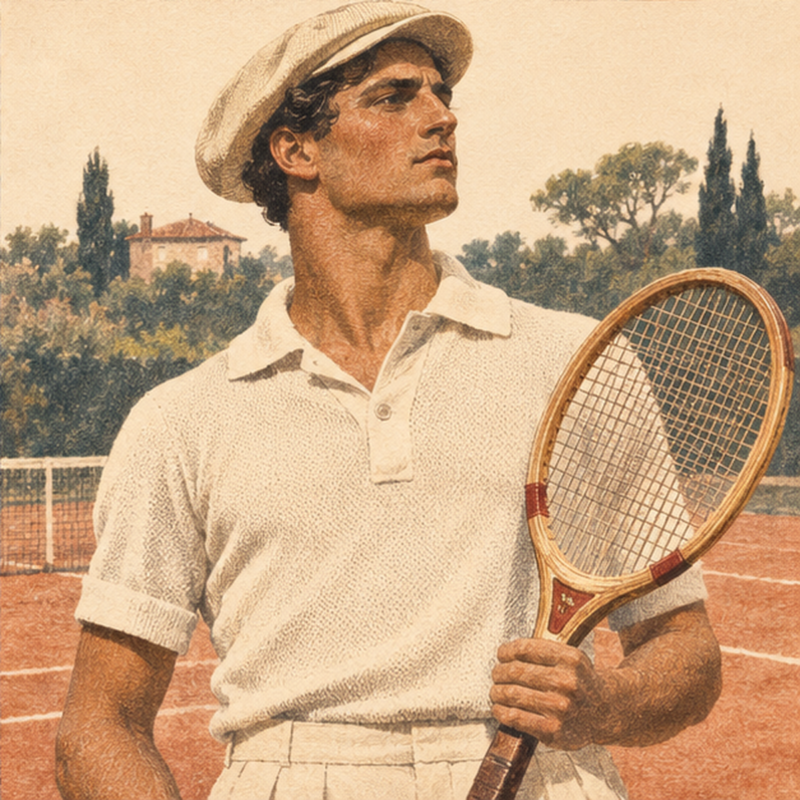
Polo players in 19th-century India wore long sleeves and buttoned down their collars to stop them flapping on horseback. The short-sleeved polo familiar to uniform wearers owes more to French tennis champion René Lacoste. He wanted room to swing a racket. In the 1920s he took to the court in short sleeves, and in 1933 he brought his design to market in a lightweight cotton knit called petit piqué. A shirt named for one sport had found its shape in another.

4 Uniform Myths

Summary

The best clue to a uniform’s history and why it changed is often the person who wore it. A tailor could see where a pocket tore. A tennis player knew what it was like to serve in long sleeves. And if we could ask a British infantryman what he thought of a pair of boots that wore evenly, he might have had a word or two to say about the fit.